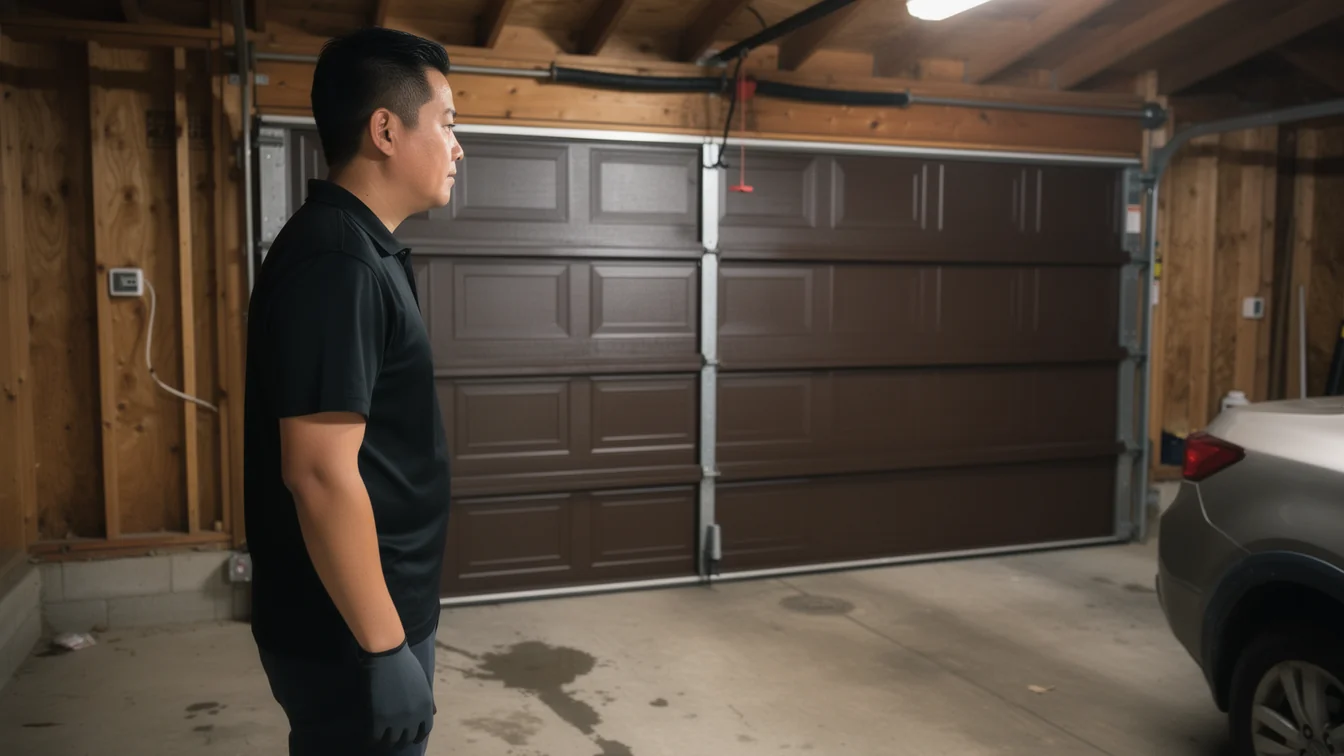
What Is Going On
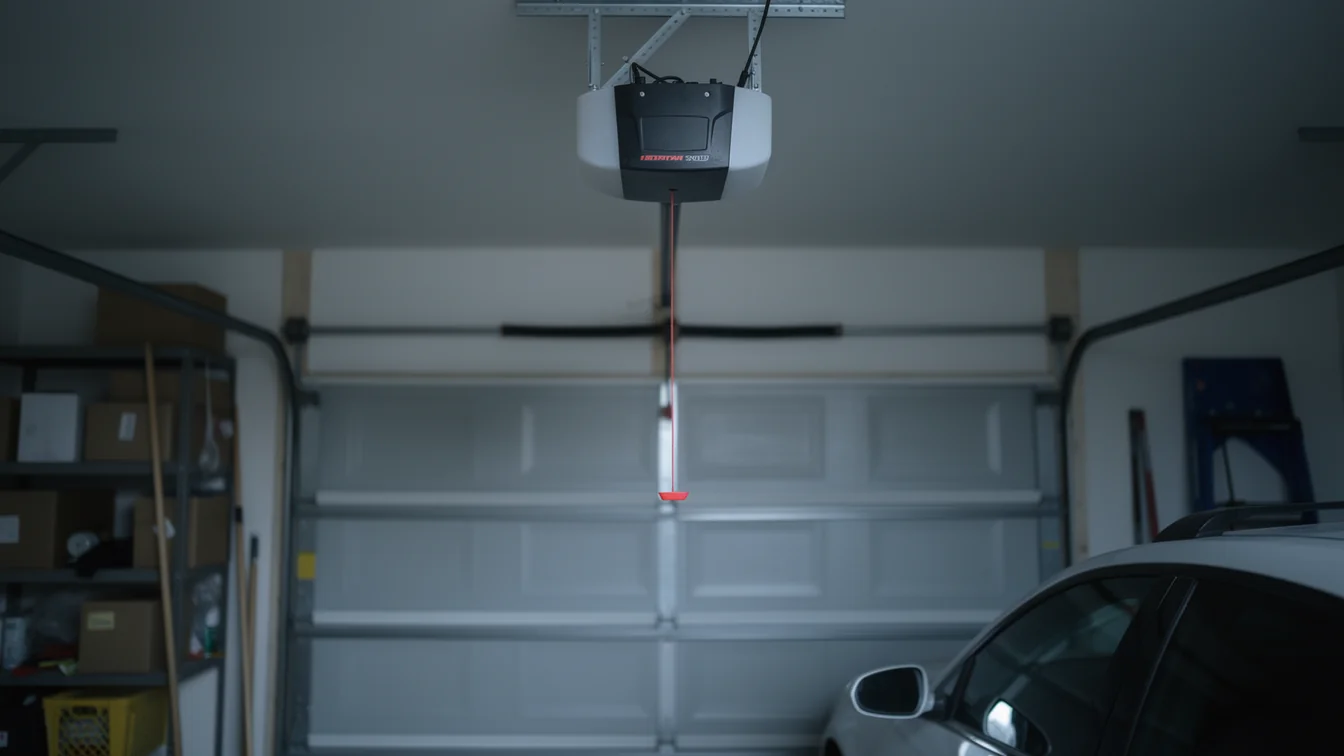
Most of the housing around Nixa went up between 1956 and 2010, with the median sitting at 1995. That puts a huge share of doors in town somewhere between 15 and 30 years old right now, which is right in the window where the original springs, rollers, and opener have either already failed once or are getting close. A door from the 1980s or 90s stock that's never been touched is running on hardware that was fine when it was installed but isn't built for a quarter century of daily cycles.
The question isn't whether an old door will eventually need work - it's whether what's wrong with it right now is worth paying to fix. A torsion spring, a bent track section, or a bad set of rollers on an otherwise sound door is almost always worth repairing. The door panels themselves, if they're steel and not dented through, usually outlast two or three openers and spring sets. What's rarely worth fixing is a door where the frame has racked out of square or the panels have rusted from the bottom up - at that point you're pouring money into a door that'll need replacing anyway within a couple years.
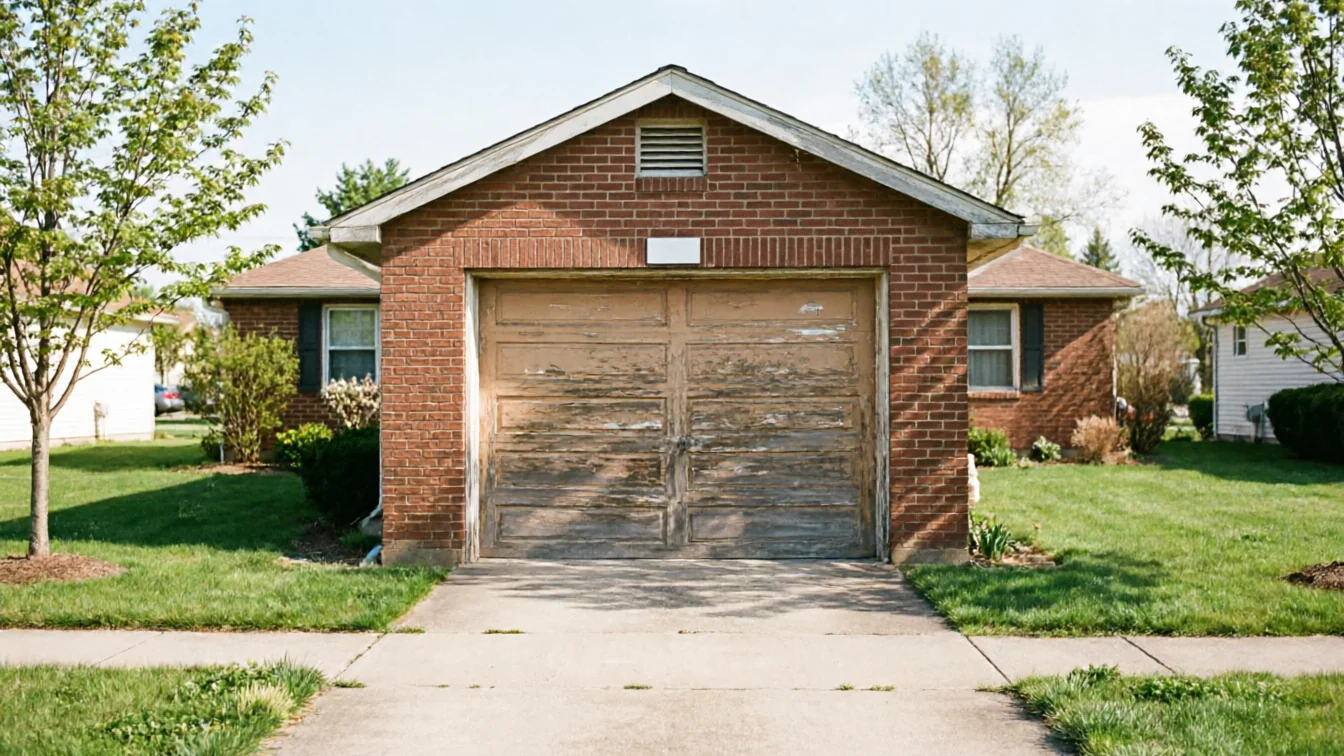
How Local Conditions Play In
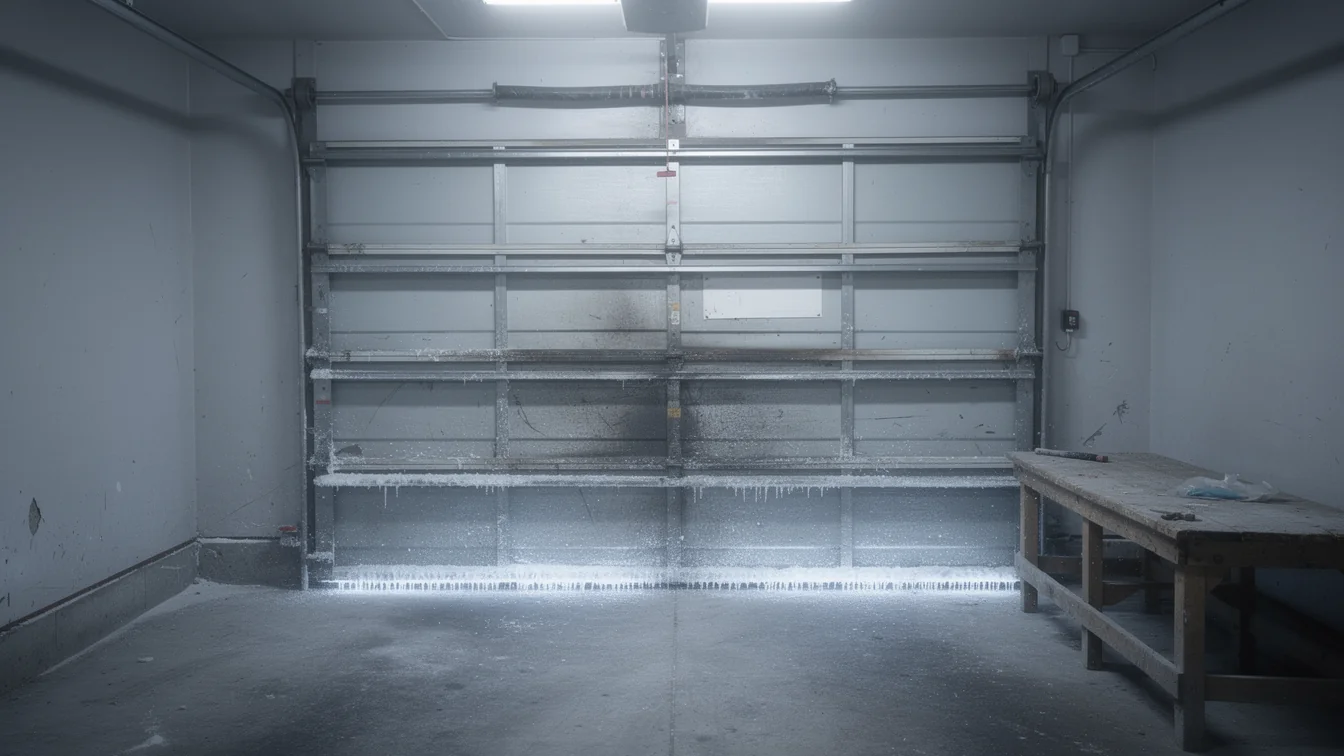
Nixa sits in a moderate cold climate band, which means winters cold enough to stiffen grease and shrink metal, but not the kind of brutal cold that cracks panels outright. What that does to an older door is slow and cumulative: the steel track contracts a little each winter, bolts work loose, and nylon rollers that were fine in July start binding in January. On a door already pushing 20-25 years old, that seasonal flex is often what finally pushes a worn spring past its limit.
With a median household income of $60,670 across the area and a lot of owner-occupied houses built in that same 1980s-90s window, the math on repair versus replace usually comes down to the same choice for a lot of neighbors at once - which is part of why it's worth knowing what's actually failing before you spend on either.
When to Get Help
Call before the door fails completely, not after. A spring that's visibly stretched or a track that's pulled away from the wall on one side is a sign the hardware is near the end, and running it that way risks the opener motor too. If you're hearing a grinding sound on an older door, or the door reverses partway up, get it looked at rather than waiting - those are usually cheap fixes if caught early and expensive ones if the cable snaps or the opener burns out trying to compensate.
One limit worth being upfront about: if your door's wood trim or panel has rotted through, or the frame itself has shifted, that's a carpentry and structural problem first, not a garage door repair, and we'll tell you that rather than try to patch around it.
Season by Season
Fall is the best time to get an older door checked before the cold sets in - tightening hardware and relubing before the first freeze catches a lot of problems while they're still minor. Winter is when the moderate cold here actually causes failures: stiff springs under load, rollers that have gone dry, openers straining against a door that's harder to lift when everything's contracted. Spring is when owners usually notice the damage from winter - a spring that finally gives, a track that's bent from months of binding.
Summer in Nixa is usually the slow season for failures, which makes it a reasonable time to replace rather than patch if a door's hardware is original to a house built back in the 1980s or 90s and showing its age across the board.
Talk to a local pro
Garage door trouble in Nixa?
Same-day service with honest, upfront quotes.