What Is Going On
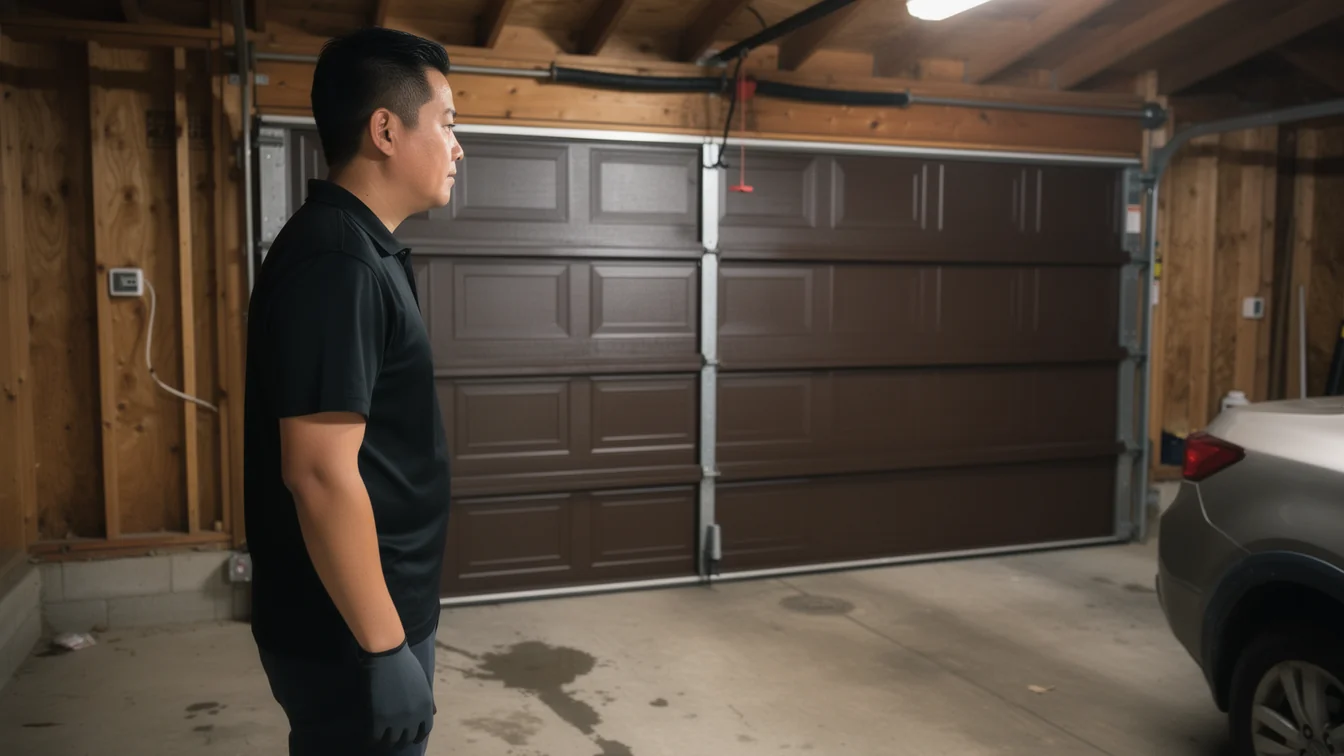
A service call starts with us figuring out what's actually wrong, not just what you noticed. Most houses in Nixa went up between 1956 and 2010, with the median home dating to 1995, so a lot of what we find is original hardware from that era: torsion springs sized for a door that's heavier than it was new, openers with gears that were never meant to outlast three decades, and tracks bent slightly out of true from years of settling.
We check the spring first, because a spring that's lost tension makes everything downstream look broken when it isn't. Then the cables, the rollers, the track alignment, and the opener's force settings. On a lot of these 1990s-built houses the opener and the spring were installed together and are now failing together, which is why a call that starts as "the door won't open" often ends with us replacing two things, not one.
What we don't do is guess and swap parts to see what sticks. If the fix needs a part we don't carry on the truck, we say so and tell you the honest lead time rather than padding the invoice with a part you didn't need.
How Local Conditions Play In
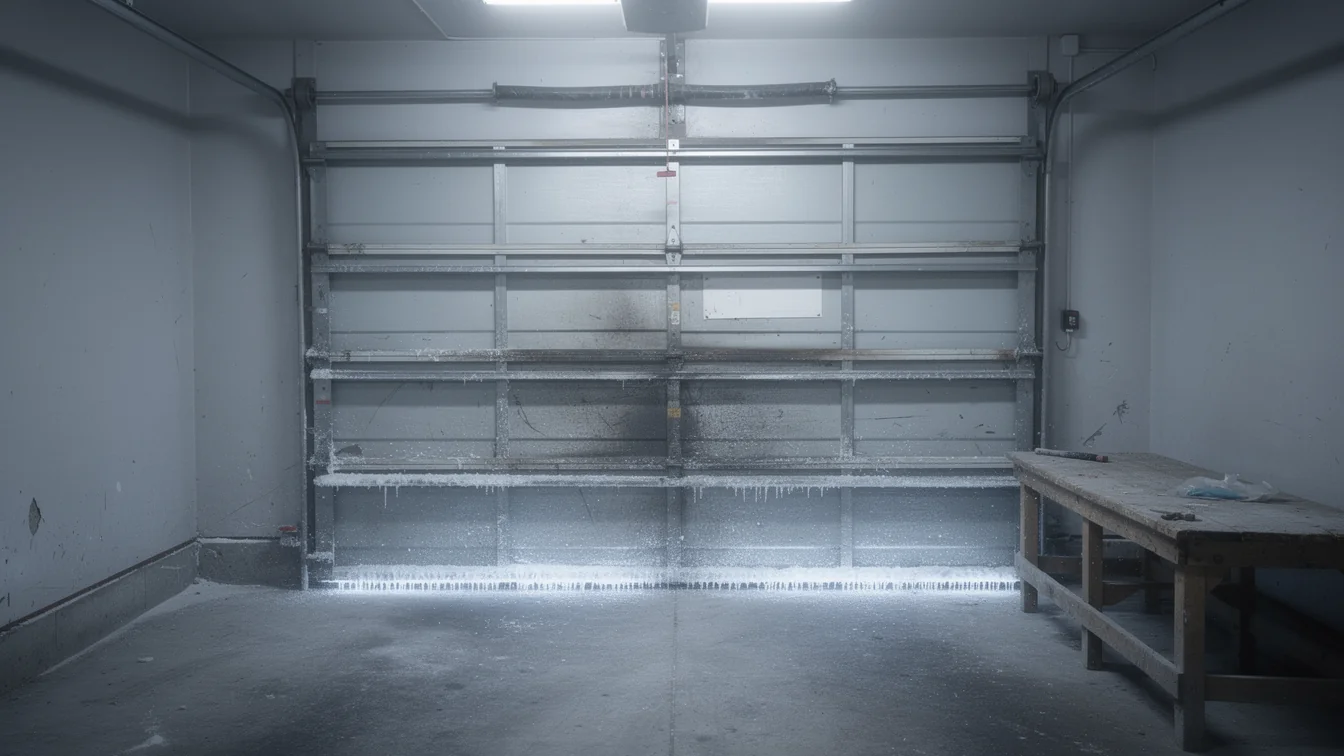
Nixa sits in a cold-moderate climate band. That doesn't mean brutal winters, but it does mean a yearly swing between near-freezing mornings and warm afternoons, and that swing is hard on two specific things: weatherstripping and lubricant. Rubber seals that were fine in August crack when they go through a few of these freeze-thaw cycles, and grease that's thinned out in summer heat gets stiff enough by January to make a door groan on its way up.
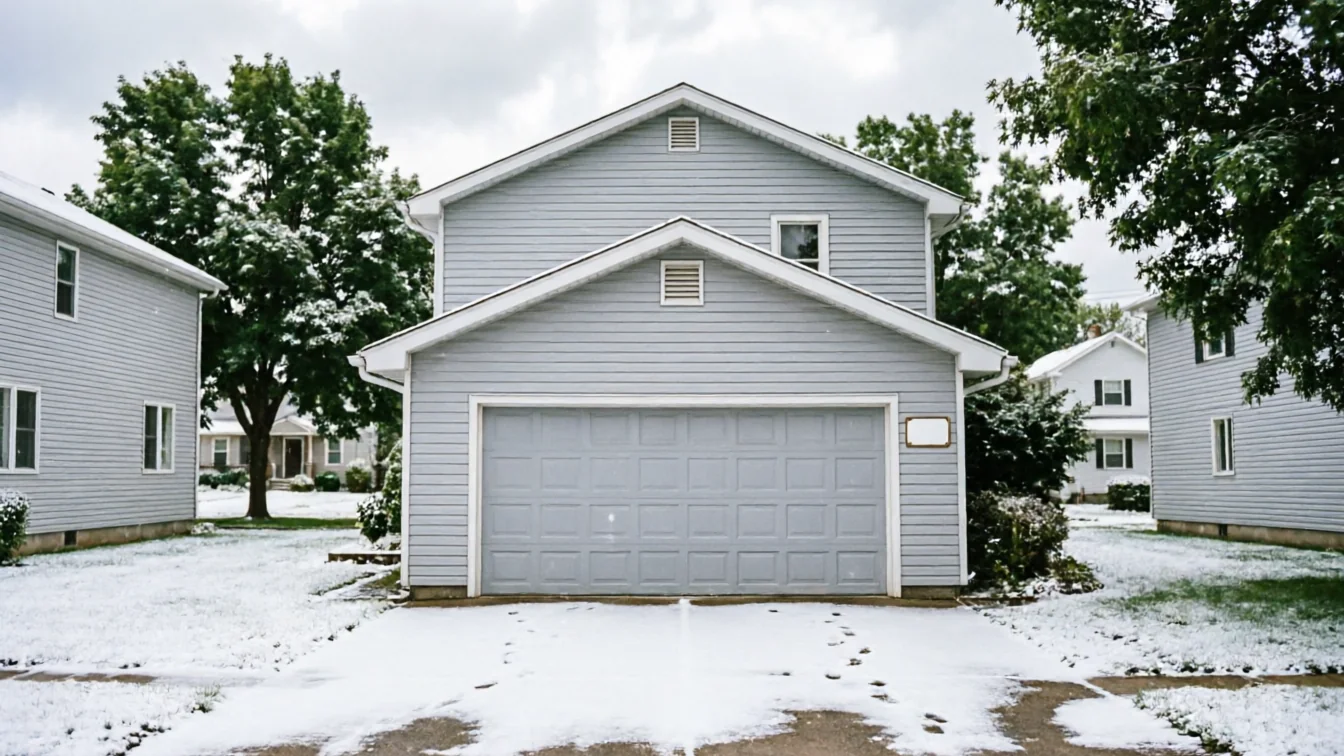
Across the 15 named areas that make up this service area, the bulk of the housing stock is 1980s-90s construction. That's old enough that most doors are on their second or third spring, but not so old that parts are impossible to source. It's a sweet spot for repair over replacement, which is part of why we can usually fix rather than sell you a new door.
The climate doesn't cause dramatic failures here the way ice storms do further north. It causes slow ones: a seal that leaks a little more air every winter, a spring that fatigues a little faster because it's cycling through more temperature swings than it would somewhere milder.
When to Get Help
Call before the door is stuck, not after. A spring that's starting to sag shows up as a door that feels heavier when you lift it by hand, or an opener that strains and clicks before it moves the door at all. Catch it there and it's a planned repair. Catch it after the cable snaps and it's an emergency call, usually on a day that's worse for scheduling than it needs to be.
With 11,111 owner-occupied houses among roughly 20,271 households across this area, most of what we see is an owner dealing with their own garage, not a property manager juggling repairs across units. That matters because it means we're usually talking to the person who'll live with the fix, so we walk through options rather than picking the cheapest part and moving on.
One honest limit: if your opener is original to a 1990s build and the logic board has failed, we may not be able to get an exact replacement board. At that point we'll tell you straight that a new opener is the better call rather than chasing a part that's been discontinued.
Season by Season
Spring is when stiff grease from a cold winter meets warmer days, and that's when a lot of rollers finally give out after a season of extra strain. Summer heat causes less drama here than you'd think, mostly minor opener sensor issues from direct sun on a west-facing door. Fall is service-call season for weatherstripping, since the rubber that cracked over the previous winter finally lets in enough draft that homeowners notice before the cold really sets in.
Winter is when the cold-moderate swings do their worst work: a spring that's been losing tension all year finally lets go on a morning that's colder than the day before, and stiffened grease makes an opener work harder than it should. We get calls from as far out as Crane, eighteen miles southwest, and Galena, nineteen miles out, on exactly these cold mornings, where the drive time itself eats into the appointment window before we've touched a tool.
None of this is dramatic weather. It's steady wear from a climate that never lets a part settle into one condition for long, which is the honest reason doors here need more routine attention than a milder, flatter climate would demand.
Talk to a local pro
Garage door trouble in Nixa?
Same-day service with honest, upfront quotes.